
Understand your options
Learn how single implants, bridges, implant-supported dentures, and full-arch solutions differ.
Dental implants can help restore your smile, chewing comfort, and confidence. Whether you are missing one tooth or considering full-mouth restoration, understanding your choices is the first step toward an informed decision.
Implants are an important option for replacing missing teeth, but no single treatment is right for everyone. Your bone and gum health, medical history, expectations, and the experience of your dental team all matter.
Learn how single implants, bridges, implant-supported dentures, and full-arch solutions differ.
Find out why an individualized examination, planning, and ongoing care are important.
Go into your consultation ready to discuss benefits, limitations, alternatives, and total costs.
A dental professional can explain which approaches may fit your individual needs.
Replace one missing tooth without relying on neighboring teeth for support.
Explore individual implants or implant-supported bridges for several missing teeth.
Understand fixed full-arch restorations supported by strategically placed implants.
Consider removable dentures with implant support for improved stability.
Learn why some patients need additional evaluation or preparatory procedures.
Discuss conventional bridges, partial dentures, complete dentures, and other options.
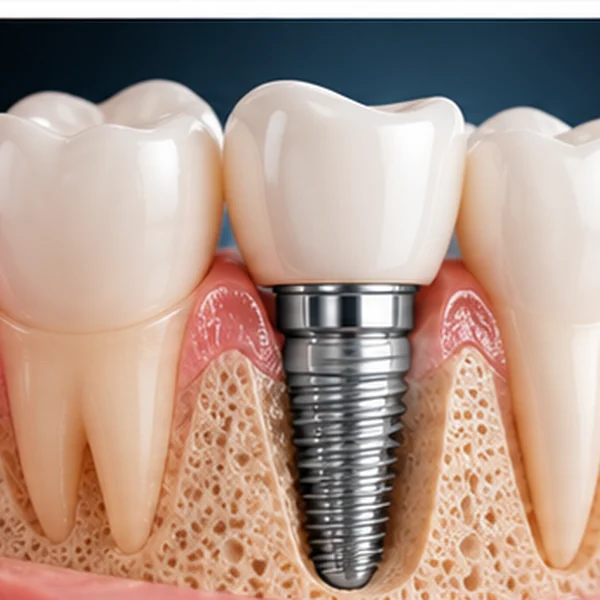
Dental implants are designed to integrate with jawbone, but they do not duplicate every feature of a natural tooth. Unlike natural teeth, implants do not have a periodontal ligament.
That is one reason careful diagnosis, proper treatment planning, restoration design, and maintenance are essential. A history of periodontal disease does not automatically rule out implants, but it can affect risk and the maintenance plan.
What does my examination show about bone, gum health, and medical considerations?
How do implants compare with bridges or dentures in my situation?
Who plans the case, places the implants, and makes the final restoration?
Are imaging, extractions, grafting, temporary teeth, and maintenance included?
What complications are possible, and how would they be managed?
What follow-up visits and long-term maintenance will I need?
Start with the type of dental concern or tooth-replacement option you want to understand.
Use this educational guide to prepare questions for a licensed dental professional.
Arrange a professional examination to determine what treatment, if any, is appropriate.
No. Suitability depends on oral and general health, available bone, treatment goals, and a clinical evaluation. Some patients need preparatory treatment or may prefer alternatives.
Costs vary widely with the number of implants, imaging, extractions, bone grafting, restoration type, and geographic area. Ask for an itemized treatment plan and an explanation of what is not included.
No treatment has a lifetime guarantee. Implants can function for many years, but complications and failures can occur. Daily care and regular follow-up matter.
A history of periodontitis may increase the risk of complications, but it does not automatically rule out implants. A dentist or periodontist should evaluate disease control and your maintenance needs.
Some patients do, while others do not. Your clinician may recommend imaging and examination to assess the amount and quality of bone.
For extensive or costly treatment, an independent second opinion can help you understand alternatives, risks, and the proposed plan.
Dental implants can be a rewarding investment in your comfort and confidence. Explore the possibilities, understand the process, and discuss a personalized plan with a licensed dental professional.